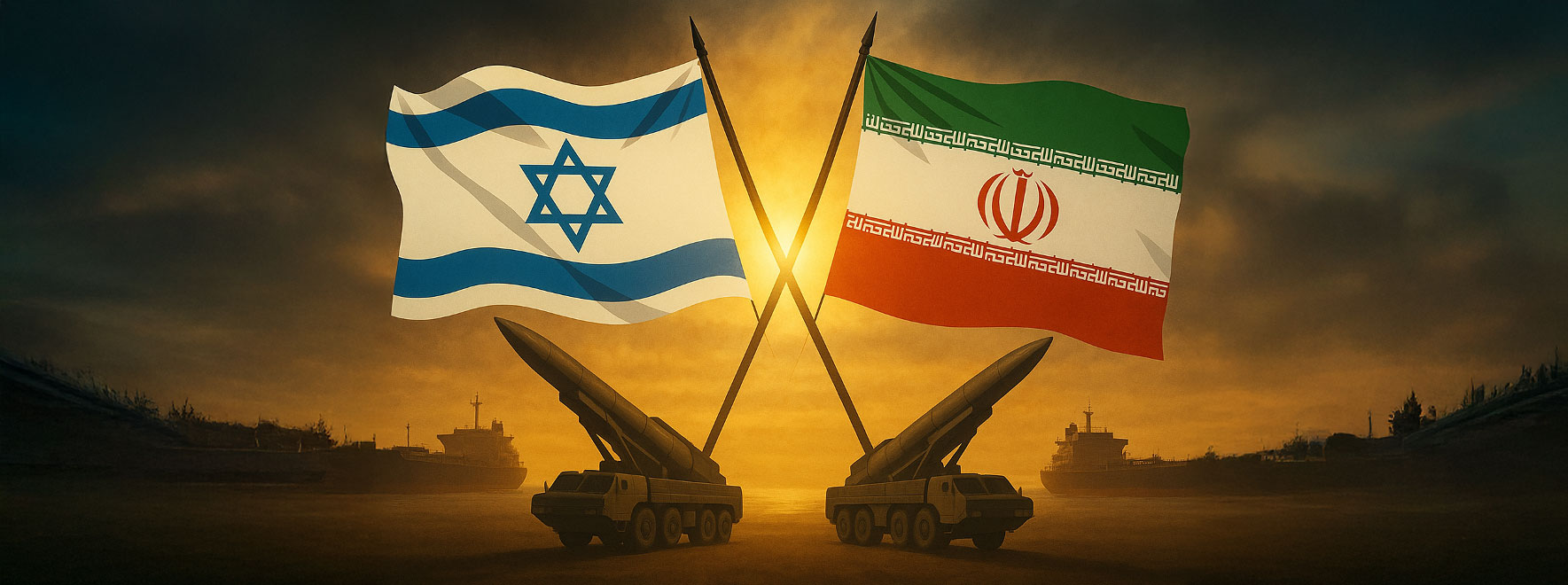
Markets reacted on Friday to a sharp escalation in Middle East tensions. After years of covert conflict, Israel and Iran have entered open military confrontation. Israel targeted key Iranian nuclear and military facilities amid concerns over Iran’s advancing nuclear program. Iran responded with missile strikes on Tel Aviv, significantly heightening the stakes.
Despite the seriousness of the situation, broader market reactions were relatively contained. Asian and European share markets declined around 1%, while the US market fell just over 1%. The standout move was in oil — Brent crude ended the day more than 7% higher at $74 per barrel. Gold also rose 1.2% to a two-month high as investors briefly sought safe-haven assets.
Importantly, context matters. Oil prices remain more than 10% below levels from a year ago and well below the highs seen during the Ukraine conflict. Likewise, global share markets are still trading near all-time highs, meaning the recent declines are from elevated levels.
What comes next?
While geopolitical events can cause short-term volatility, history shows markets tend to regain footing once initial uncertainty fades. Two scenarios are plausible: one where diplomacy prevails and tensions ease, and another where the conflict broadens, driving oil prices higher, creating broader economic headwinds and potentially adding to inflationary pressures.
At this early stage, the more contained scenario looks more likely.
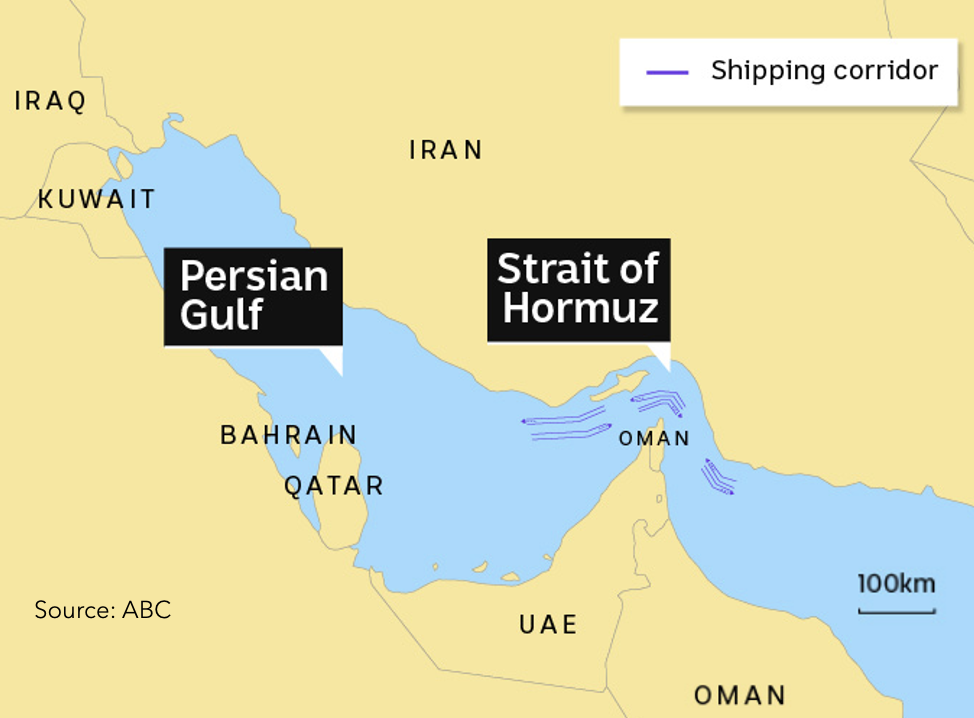
The key area to watch is the Strait of Hormuz — a vital shipping lane used for more than 20% of global oil supply. Any disruption here could reignite inflation fears and delay central bank rate cuts. A direct hit to Iranian oil infrastructure could lift prices towards $100, but increased supply from other producers would likely cap any sustained spike.
What are we doing in response?
First and foremost, we acknowledge the profound human cost of this conflict. While geopolitical shocks can affect markets, our investment approach is built to withstand short-term uncertainty and focus on long-term fundamentals.
We’ve already positioned portfolios with some caution, given high valuations and a softening earnings outlook. The latest developments haven’t changed our outlook — we continue to monitor the situation carefully, especially for signs of inflation risk if oil prices continue to rise. However, any adjustments to portfolios will be considered and grounded in economic reality, not headline reactions.
We'll keep you updated if the situation evolves — but for now, we believe portfolios are appropriately positioned for the current environment.
General Advice Warning
The information provided on this website has been provided as general advice only. We have not considered your financial circumstances, needs or objectives and you should seek the assistance of your Expert Wealth Adviser before you make any decision regarding any products mentioned in this communication. Whilst all care has been taken in the preparation of this material, no warranty is given in respect of the information provided and accordingly neither Expert Wealth nor its related entities, employees or agents shall be liable on any ground whatsoever with respect to decisions or actions taken as a result of you acting upon such information.